

Hardware · Firmware · Code · Fabrication
Built from
the board up.
Two custom 3D printers assembled, wired, programmed, calibrated, rebuilt, and used as a hands-on education in how software becomes motion.

01 / Why build the tool?
The printer was never
just the printer.
Building one from components meant the machine could not hide behind a warranty or a factory profile. Every bad layer pointed back to a mechanical, electrical, firmware, or modeling decision that had to be understood and corrected.
Jordan ultimately built two custom machines and sold one of them. The current daily printer is an Anycubic Kobra S1—a much more polished machine, appreciated differently after learning exactly what has to happen underneath the enclosure.
02 / The system
One print.
Four disciplines.
Mechanical
Frame geometry, motion hardware, belts, lead screws, extruder, hot end, bed, and the physical tolerances that decide whether a digital model becomes a clean part.
Electrical
Controller boards, stepper drivers, end stops, heaters, thermistors, power, grounding, cable routing, and a lot of methodical fault finding.
Firmware + code
Marlin source and configuration work, auto-leveling logic, board and sensor definitions, motion values, thermal behavior, and the code-level tuning required to make custom hardware operate as one machine.
Digital fabrication
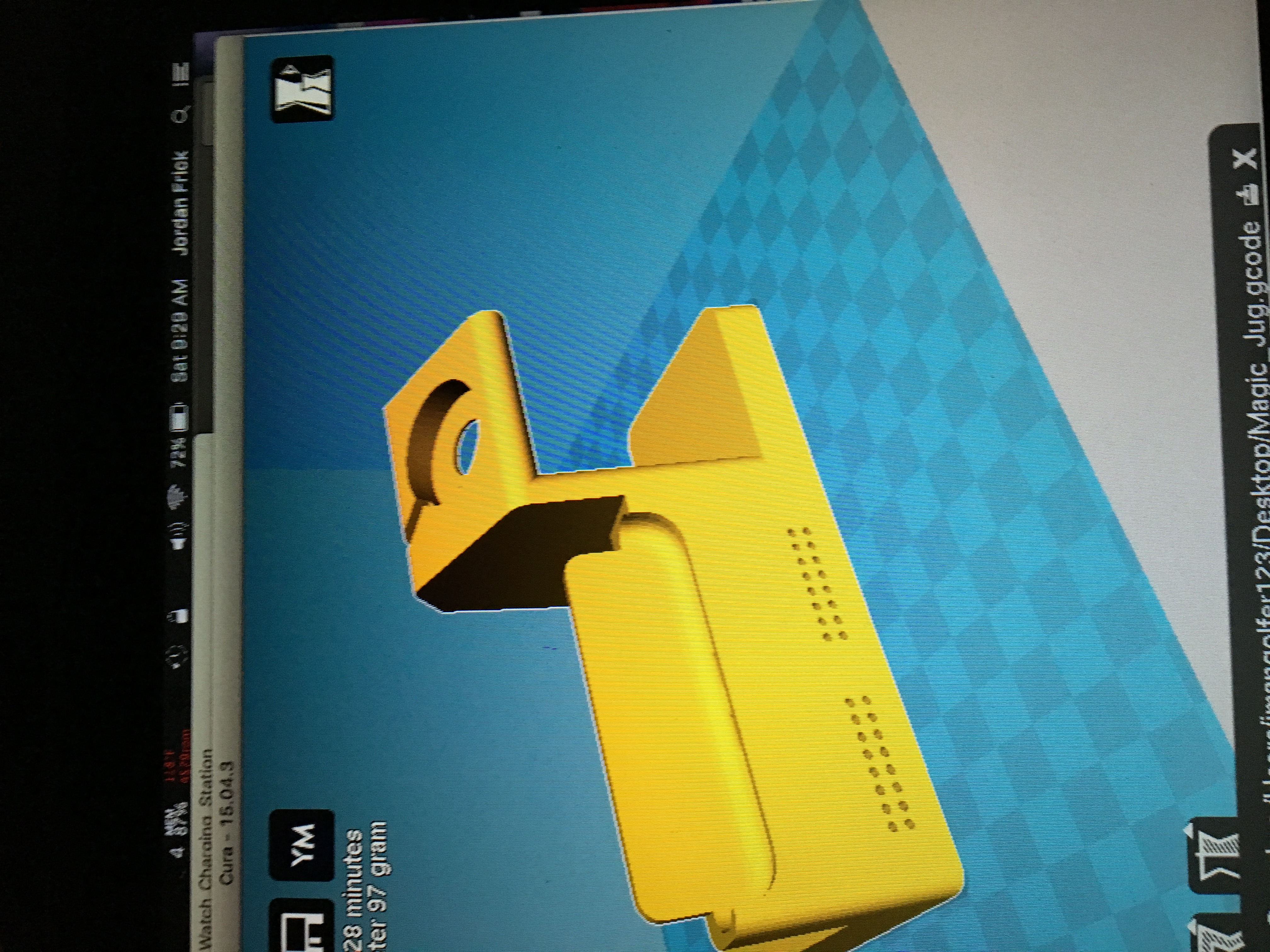
SolidWorks and STL files, slicing profiles, support strategy, calibration parts, revision loops, and useful components designed around an actual need.
03 / Firmware archive
When hardware
needed an answer.
The surviving project archive contains multiple Marlin source trees, auto-leveling variants, controller configurations, recovered firmware snapshots, STL files, and SolidWorks source parts. It is less a neat product repository than an honest record of solving one problem after another until the machine behaved.
PROJECT / PRINTER_SUPPORT
Marlin-RC/Autolevel folder/Firmware/ recovered variantsRAMPS + controller configsSTL + SolidWorks partsSTATUS: BUILT / TUNED / PRINTING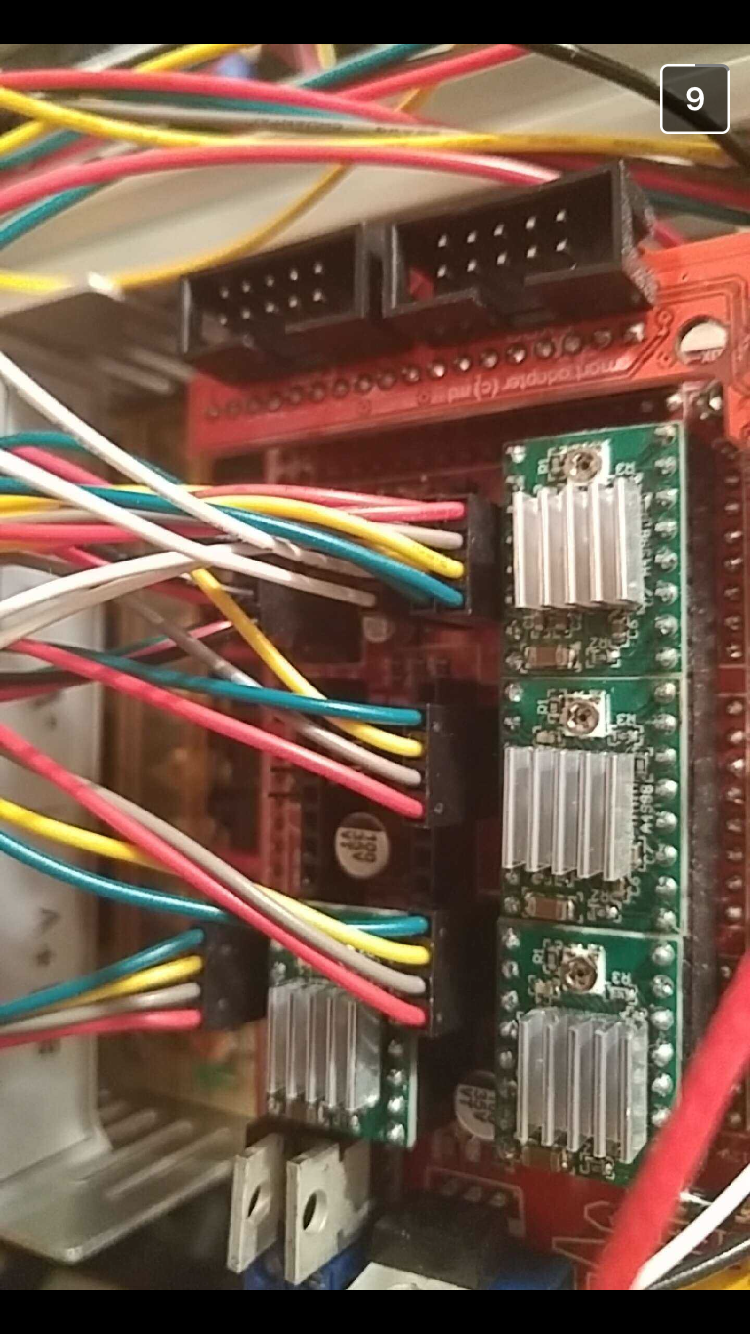
04 / What carried forward
“The useful part was learning to stop treating the machine like magic.”
That same instinct now shows up in software, visualization, websites, automation, and technical drawing: open the system, understand its layers, and keep working until the thing does what it was meant to do.